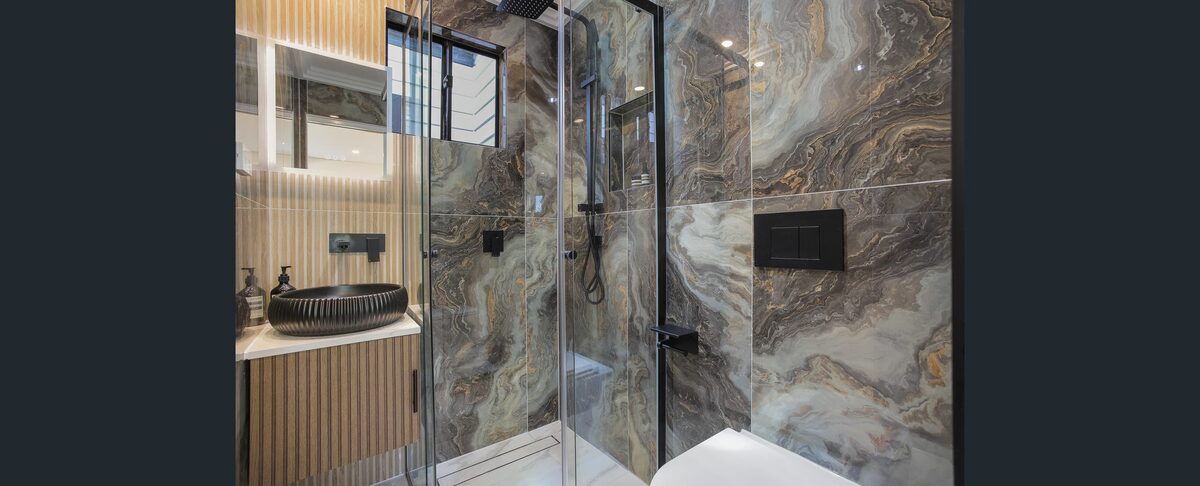
Define the bathroom renovation scope
When planning a bathroom renovation, describe the work to be performed so another person can price it without guessing. Identify what will be retained, removed and replaced, then compare quotes against the same bathroom layout and selections. “Complete bathroom remodel” is not enough detail to show whether the work matches your expectations.
| Compare | Question to resolve before signing |
|---|---|
| Parties and credentials | Does the named contracting entity match the licence details you have checked? |
| Drawings and inclusions | Which drawings record the floor space, layout and expressly excluded work? |
| Selections | Are product, finish, quantity and installation responsibilities identified? |
| Allowances and payments | What is provisional, how will it be reconciled and what work marks each payment stage? |
| Access and decisions | What household access and owner selections does the proposed programme assume? |
| Changes and completion | How will changed work be agreed, and which records apply at the end? |
This comparison sheet is an editorial planning aid. It does not replace the statutory document requirements or advice on an individual agreement. Keep questions attached to the relevant quote line so an answer can be incorporated into the final documents.
Confirm demolition, retained fixtures, plumbing and electrical work, waterproofing, tiling, ventilation, waste removal and reinstatement. Mark the extent of floor tiles and wall finishes rather than relying on a photograph. If the existing bathroom vanity stays, ask how it will be protected and what happens beside it.
Contract terms to read before signing
The NSW residential building guidance requires a written contract for work over $5,000 including GST, with more extensive requirements above $20,000. These legal thresholds do not establish the price of your room.
Check the building contract parties, scope of work, attached plans, price basis and payment schedule. Read exclusions alongside inclusions. Where a term is unclear, ask for an explanation and written correction before signing. Do not rely on a conversation that conflicts with the document.
Make sure you have the final version and its attachments. A selection list sent after a quote may not describe what that quote prices. Ask which version controls and keep a copy that both parties can identify. If you need a personal interpretation of a clause, obtain appropriate independent advice.
Fixture selections and allowances
For each fixture, record the model, finish, quantity and who supplies it. Identify new fixtures, tapware, basin, toilet, shower fittings and storage solutions, including owner-supplied items. Ask whether delivery, installation and associated adjustments are included. A replacement product may have different connection or clearance needs.
An allowance leaves a selection or amount unresolved. Ask what it covers and how the difference will be calculated when the item is chosen. Keep the cost of materials and labour assumptions visible. The amount allowed for a fitting is not automatically its final installed price.
Choose finishes together where they meet: cabinetry, bench surface, tile edges and fittings. Record the materials to be used and any substitution process, so an unavailable product does not quietly change the specification. If a decision is open, give it a date and identify who needs the answer.
Who will plumb and coordinate the room?
Ask who coordinates the plumber, electrician, waterproofer and tiler, and how their responsibilities meet. Check the relevant trade credentials through the official licence lookup. Choosing a licensed contractor should not leave the homeowner guessing who is responsible for the combined scope.
Before you renovate, confirm whether services in the old bathroom are retained or moved. Ask how access is addressed and which surrounding surfaces need repair. Describe known issues, such as poor water pressure, water damage or suspected outdated plumbing, for assessment rather than assuming a new fitting will resolve them.
Project timeline and access assumptions
Ask what must be ready before the proposed start: permissions, selections, deliveries and site access. Separate an intended date from a confirmed programme. Record when the room is unavailable and how the household will access essential facilities.
Include building or scheme access restrictions, parking and waste arrangements where relevant. A short on-site estimate can depend on decisions made beforehand. Ask how a changed delivery date or unexpected issues will be communicated and assessed during the renovation process; do not assume every interruption has the same effect.
Changes during the renovation
Locate the agreed change process before work begins. For an altered selection or scope, ask for a description, cost calculation and timing effect rather than approving a total in isolation. The official additions and variations guidance explains written agreement and the limited urgent exceptions.
Keep revised drawings and selections with the change record. A question about a discovered condition is not automatically an agreement to pay for it. Clarify the facts and the applicable provisions before deciding the next step.
Final inspection and completion records
Agree how the completed scope will be reviewed and which project-specific records will be supplied. Ask about applicable certificates, product operating instructions and care information. Record outstanding items and the next responsible person. An owner’s walk-through is useful, but it cannot verify every concealed detail.
Questions about your new bathroom contract
When is a written agreement required in NSW?
Current government guidance requires a written agreement for residential building work over $5,000 including GST, with more extensive requirements above $20,000. These are regulatory thresholds, not Panadium price ranges. Read the official guidance for the requirements applying to your proposal.
Is an allowance the final price of my chosen fitting?
Not necessarily. Ask what amount has been allowed, what it covers and how the selected product will be reconciled with that amount. Confirm installation and any associated changes separately rather than assuming the shelf price is the complete cost.
What if removal and disposal are missing from the quote?
Ask whether they are included, excluded or allowed for, then have the answer recorded. Check how adjoining surfaces will be reinstated. A missing line should not be treated as either free work or proof that it is covered elsewhere.
Can changes be agreed verbally while work is underway?
Use the written change process and record the work, calculation and timing before proceeding. Current government guidance recognises urgent danger-related exceptions, but ordinary selection pressure is not the same situation. Seek appropriate advice about a disputed change.
Read the current NSW contract rules beside these questions. The guide to a realistic budget addresses indicative prices. For the scope, see Panadium’s bathroom service and bring your selection list.