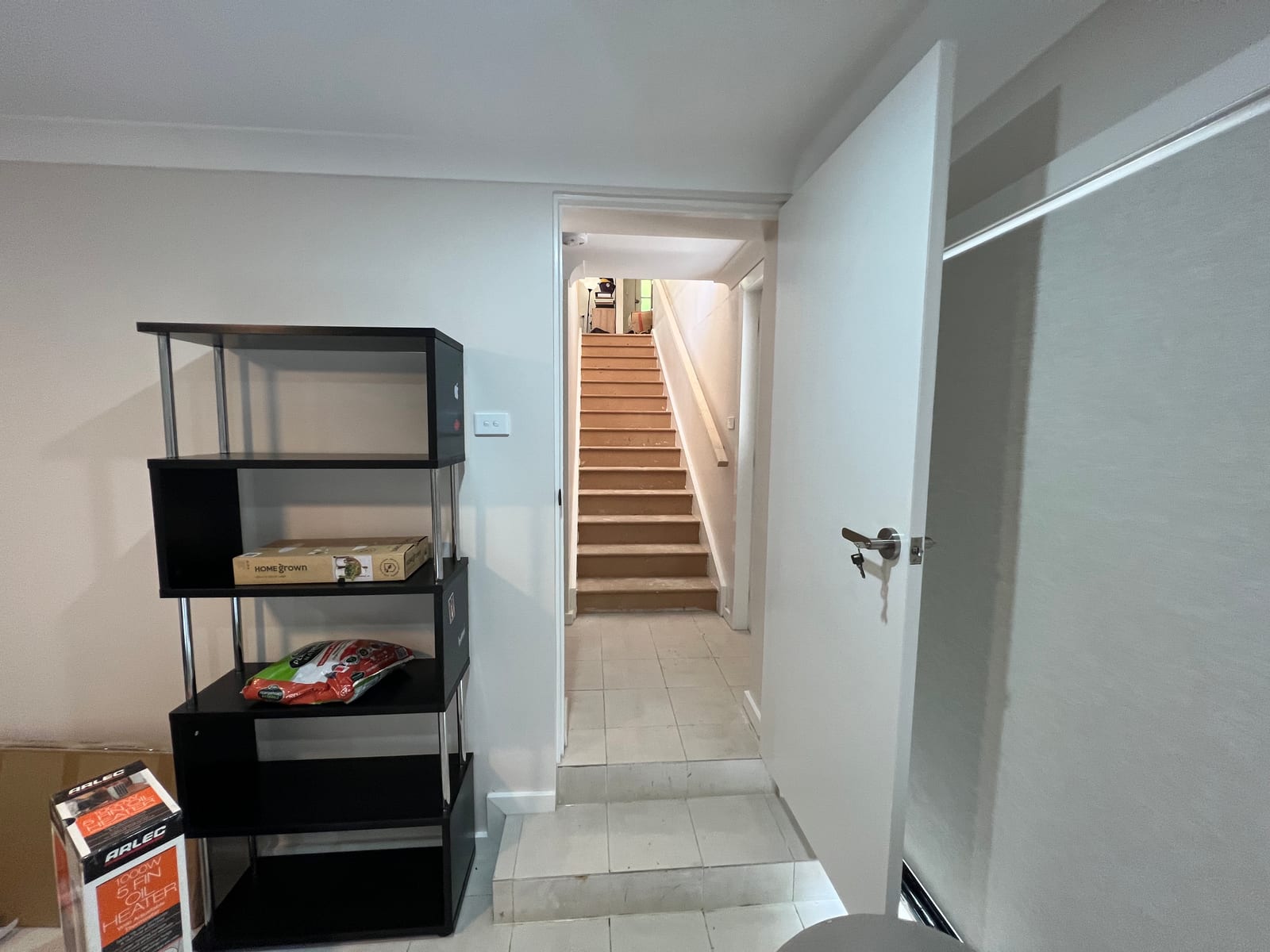
Start with the completed renovation scope
As a homeowner, bring the signed documents and agreed changes to the review. Compare the building work included with what is ready, then record outstanding items. Check the finished room against the approved scope and selections, not only a photograph or memory of a conversation.
Check the building contract definition of completion. If the agreement uses practical completion, ask how that term applies to this scope. The owner’s record supports the discussion; it does not determine the legal completion date or replace a required assessment.
| Prepare | Use during the review | Keep afterwards |
|---|---|---|
| Agreed scope | Compare the included work, selections and signed changes. | Current drawings and the completion record. |
| Room observations | Record visible concerns and operating questions. | Dated item notes and relevant photographs. |
| Applicable documents | Identify supplied records and any missing item. | Certificates, product information and correspondence. |
| Next actions | Agree who will respond to each outstanding question. | Action record and the subsequent response. |
This is an owner’s preparation sheet. It does not certify concealed work or instruct you to accept an unresolved issue. The important outcome is a clear, shared record of what was reviewed and what still needs a response.
Prepare for the handover inspection
Allow suitable access to the rooms and the documents needed for discussion. Ask which operating demonstrations are included and whether specialist attendance is appropriate. An owner’s review and an independent technical assessment serve different purposes.
Walk through the property room by room. Note visible finishes, selected fittings, doors, storage and any apparent omission from the agreed scope. Ask for demonstrations of the products you need to use. Do not attempt unsafe testing, open concealed services or treat an unobserved detail as verified.
Compare installed selections with their schedule. If a substitution was agreed, have its record available. Photograph a concern with enough context to show its location, then describe what you observed in plain language. “Door catches on the frame” is a more useful starting note than a technical diagnosis you cannot establish.
If a workmanship concern needs assessment, ask a qualified independent building inspector about the specific scope. Define the question to be answered and what access is needed. The final inspection should not be assumed to reveal every condition hidden behind completed surfaces.
Keep operating questions separate from observations about finish or scope. If you do not know how a control works, ask for a demonstration and the correct instructions. If the response identifies a concern, record that separately with its next step. This avoids treating an unanswered question as either proof of faulty work or proof that everything is satisfactory.
Ask how any follow-up assessment will be arranged and who receives its findings. Preserve the note and add the response so there is a dated sequence. An owner can record what happened without deciding the technical cause. Ask the specialist to define the scope of the building inspection.
Record each defect or outstanding item
Create a written list that separates incomplete work, visible concerns and questions requiring assessment. Use a reference for each item so later correspondence can be matched. Keep the original observation even if the explanation or agreed action changes.
| Field | What to record |
|---|---|
| Location and item | Room, fitting or surface, with a clear reference. |
| Observation | What you can see or what needs an explanation. |
| Evidence | Date and relevant photograph or document. |
| Next step | Who will respond, what is agreed and the proposed date. |
| Follow-up | Response, completed action or remaining question. |
Send the observations to the builder and retain the response. If an item is agreed for correction, record who will rectify it and how household access will be arranged. If the issue is disputed, keep the relevant scope and evidence together and obtain appropriate advice.
This guide does not determine final payment or direct you to withhold it. Read the agreement and seek advice about an unresolved payment question. A defects list records observations, not an automatic legal outcome. Ask how any agreed defects to be rectified will be checked afterwards.
Ask the builder for applicable records
Identify which approval, trade, insurance and product records apply to the completed work. Ask who supplies each one and check that it refers to the right property and scope. A document from another job or an incomplete product brochure does not answer that question.
The official record-retention guidance recommends keeping the signed documents, plans, relevant certificates, completion information and correspondence. Not every record listed by the authority applies to every proposal.
- Keep the current plans and specifications with agreed changes.
- Collect applicable approval and trade certificates, including electrical work records where relevant.
- Retain the project insurance certificate where required.
- Ask for product instructions, care information and relevant guarantees.
- Record completion details and the contacts for outstanding questions.
For operating information, identify the installed model rather than a generic product family. Ask about normal use, maintenance and the contact for a problem. Where relevant, ask about light switches and power points without attempting unsafe testing. Keep the instructions accessible after the folder is stored away.
Warranty and completion dates
NSW guidance on defects generally gives six years for a major defect and two years for other defects, counted from completion. Do not assume every concern belongs to the same category or that a product promise replaces the legal protections.
Record the relevant completion basis and dates. The official completion definition explains the role of the signed provisions and the circumstances where no definition is supplied. A keys collection date is not a universal answer.
Keep product cover information separate from the contract’s defects liability arrangements and statutory protections. If an issue appears, record it and seek advice promptly. This owner sheet does not calculate a personal deadline or establish which legal remedy applies.
Keep the checklist with your project folder
Organise the documents into scope, approvals, changes, completion observations and product information. Use clear file names and keep the latest version identifiable. Preserve signed copies and the correspondence explaining any unresolved matter.
A handover pack is useful only if you can locate the relevant record later. Keep a short index with the property, project contacts and important dates. Back up digital copies and retain originals where appropriate. If something is missing, note who has been asked to supply it and keep the eventual response in the same place.
Before storing the folder, check that every open item has an identified next action. A blank response field means the question remains open, even if the room is being used. Keep future correspondence under the same reference so the household does not have to reconstruct the history if the concern returns.
Questions for handover day
Does an owner’s walk-through prove there are no concealed defects?
No. It records visible observations and the apparent completed scope. Specific concerns may need assessment by an appropriate independent specialist. A finished surface cannot show every detail behind it.
Which documents should an owner keep after the work?
Keep the signed scope and completion record, with project-applicable plans, certificates, product guarantees and operating information. Retain correspondence and agreed changes as well. Ask which documents apply rather than expecting an identical pack for every job.
Are all concerns covered for six years in NSW?
No. Current official guidance generally distinguishes six years for major defects and two years for other defects, counted from completion. The legal category and relevant dates need to be established for the particular concern; act promptly and seek appropriate advice.
Does collecting keys determine the completion date in every agreement?
No universal rule applies. Check the signed completion provisions and the current official definition, then record the relevant dates and basis. The day you collect keys should not automatically replace that assessment.
Use the current official defect guidance and completion provisions for the legal distinctions above.
Discuss your renovation plans
For a new project, discuss the scope and records through Panadium’s home renovation service. Clarify completion arrangements early. The project insurance guide addresses required cover and certificate checks separately.